Venezuela

A Delicious Melting Pot of Cultures
Venezuelan food is a vibrant fusion of European (Spanish, Italian, Portuguese, and French), West African, and Indigenous traditions. Because the country’s landscapes are so diverse, the cuisine changes beautifully from region to region:
States: Barinas, Mérida, Táchira, Trujillo, and the Páez Municipality of Apure. Due to the high altitudes and cooler climates, Andean cuisine is hearty, warming, and deeply rooted in both Indigenous farming and Spanish colonial influences. Unlike the rest of the country where corn is king, wheat is highly prominent here.
-
Key Ingredients: Potatoes, wheat, cured meats, cheese, and trout (from mountain rivers).
-
Signature Dishes: * Pisca Andina: A comforting morning soup made with chicken broth, potatoes, milk, cheese, and cilantro, typically served with a poached egg on top.
-
Arepas de Trigo: Large, flat arepas made from wheat flour rather than corn.
-
Pastelitos Andinos: Flaky, fried pastries filled with ground meat and rice, cheese, or trout.
-
States: Falcón, Lara, Portuguesa, and Yaracuy. This region is highly celebrated for its dairy production and the heavy use of goat meat, influenced by the arid landscapes of Falcón and Lara.
-
Key Ingredients: Goat, sheep, dairy products (especially artisanal cheeses and creams), and corn.
-
Signature Dishes:
-
Tarkarí de Chivo / Chivo en Coco: Goat meat slow-cooked in a deeply flavorful, heavily spiced coconut milk stew, showing strong Afro-Caribbean roots.
-
Suero de Leche: A tangy, creamy, fermented dairy condiment that locals pour over everything from arepas to beans.
-
Acemita Tocuyana: A sweet, aromatic bread from Lara, heavily spiced with cinnamon, nutmeg, and anise.
-
States: Zulia. Zulian food is historically famous for being rich, indulgent, and incredibly flavorful. Surrounding Lake Maracaibo, this region uses plantains as its primary carbohydrate, completely flipping the script on the rest of the corn-reliant country.
-
Key Ingredients: Green and sweet plantains, coconut milk, beef, and palm oil.
-
Signature Dishes:
-
Patacones: Massive, twice-fried green plantains used as the “bread” for towering sandwiches stuffed with shredded meats, cheese, cabbage, and sauces.
-
Mandocas: Deep-fried, ring-shaped snacks made from a dough of cornmeal, mashed sweet plantains, and papelón, usually eaten with salty white cheese.
-
Bollos Pelones: Balls of corn dough stuffed with savory ground beef, boiled, and smothered in a rich tomato sauce.
-
States: Anzoátegui, Monagas, and Sucre. With its long coastline, the Northeastern diet relies heavily on the Caribbean Sea. This area also retains strong Indigenous culinary methods, particularly regarding the processing of bitter yuca.
-
Key Ingredients: Fresh fish, shellfish, bitter yuca, and cacao (Sucre is renowned for producing some of the world’s best chocolate).
-
Signature Dishes:
-
Casabe: An ancient, crisp, flatbread made from bitter yuca. It is a fundamental Indigenous staple used to scoop up soups and stews.
-
Empanadas de Cazón: Fried cornmeal empanadas stuffed with shredded, seasoned baby shark (cazón).
-
Consomé de Chipichipi: A nutrient-rich broth made from tiny local clams, reputed to be a powerful aphrodisiac and hangover cure.
-
States: Bolívar, Amazonas, and Delta Amacuro. This vast, jungle-covered region is the heartland of Venezuela’s Indigenous gastronomy. The food here is wildly unique, relying on the Amazon River basin and the dense rainforest for ingredients not found anywhere else.
-
Key Ingredients: River fish, yuca, tropical jungle fruits, and uniquely sourced proteins.
-
Signature Dishes:
-
Pelao Guayanés: A rich, wet rice dish cooked with chicken, curry, and sweet plantains, heavily influenced by nearby Trinidadian and Antillean cultures.
-
Queso Guayanés: A soft, salty, incredibly fresh white cheese that melts beautifully, arguably the most famous cheese in the country.
-
Catara: A spicy, tangy hot sauce made from yuca juice (yare) and the venomous bachaco (leaf-cutter ants), rooted in Indigenous tradition.
-
States: Nueva Esparta and the Federal Dependencies. The islands of Venezuela offer a purely Caribbean culinary experience. Known as “Comida Margariteña,” the food here is defined by what can be caught in the ocean and grown in the sandy, sun-drenched soil.
-
Key Ingredients: Manta ray, sweet peppers, tomatoes, coconut, and abundant seafood.
-
Signature Dishes:
-
Pastel de Chucho: A sweet and savory lasagna-like pie made with layers of fried sweet plantains, shredded manta ray (chucho), and cheese.
-
Ají Dulce Margariteño: A local sweet pepper that is the backbone of the region’s flavor profile, providing the aroma of a habanero without the burning heat.
-
Piñonate: A traditional sweet made from papaya and papelón, wrapped in banana leaves.
-
States: Apure (excluding the Páez Municipality) and Guárico. The Llanos (plains) are the cowboy country of Venezuela. The cuisine here is rustic, protein-heavy, and built around cattle ranching and farming.
-
Key Ingredients: Beef, wild game, fresh corn, and hard, salty cheeses.
-
Signature Dishes:
-
Carne en Vara: Large cuts of beef skewered on wooden poles and slow-roasted over an open wood fire, served purely with yuca and fresh cheese.
-
Cachapas: Thick, rustic pancakes made from ground sweet corn, traditionally folded over large, squeaky slabs of queso de mano (handmade cheese).
-
Pisillo de Chigüire: Shredded, sun-dried, and heavily seasoned capybara meat, traditionally eaten during Holy Week when red meat is prohibited by the Catholic Church.
-
States: Miranda, La Guaira, and the Capital District (Caracas). As the historical and modern hub of the country, the Capital Region’s cuisine is a cosmopolitan melting pot. It blends rich Spanish, Italian, and French immigration histories with traditional Venezuelan staples.
-
Key Ingredients: Corn, beef, black beans, refined pastries, and a wide array of imported and local spices.
-
Signature Dishes:
-
Asado Negro: A beloved Caracas dish consisting of a specialized cut of beef eye round, slow-cooked in a dark, sweet, and savory sauce made from caramelized papelón (unrefined cane sugar) and wine.
-
Tequeños: Originating in Los Teques (Miranda), these iconic fried cheese sticks wrapped in pastry dough are the lifeblood of any Venezuelan party.
-
Cachitos: Crescent-shaped breads stuffed with finely chopped ham, reflecting the heavy influence of Portuguese bakeries in Caracas.
-
- Andean Region
-
States: Barinas, Mérida, Táchira, Trujillo, and the Páez Municipality of Apure. Due to the high altitudes and cooler climates, Andean cuisine is hearty, warming, and deeply rooted in both Indigenous farming and Spanish colonial influences. Unlike the rest of the country where corn is king, wheat is highly prominent here.
-
Key Ingredients: Potatoes, wheat, cured meats, cheese, and trout (from mountain rivers).
-
Signature Dishes: * Pisca Andina: A comforting morning soup made with chicken broth, potatoes, milk, cheese, and cilantro, typically served with a poached egg on top.
-
Arepas de Trigo: Large, flat arepas made from wheat flour rather than corn.
-
Pastelitos Andinos: Flaky, fried pastries filled with ground meat and rice, cheese, or trout.
-
-
- Central-Western Region
-
States: Falcón, Lara, Portuguesa, and Yaracuy. This region is highly celebrated for its dairy production and the heavy use of goat meat, influenced by the arid landscapes of Falcón and Lara.
-
Key Ingredients: Goat, sheep, dairy products (especially artisanal cheeses and creams), and corn.
-
Signature Dishes:
-
Tarkarí de Chivo / Chivo en Coco: Goat meat slow-cooked in a deeply flavorful, heavily spiced coconut milk stew, showing strong Afro-Caribbean roots.
-
Suero de Leche: A tangy, creamy, fermented dairy condiment that locals pour over everything from arepas to beans.
-
Acemita Tocuyana: A sweet, aromatic bread from Lara, heavily spiced with cinnamon, nutmeg, and anise.
-
-
- Zulian Region
-
States: Zulia. Zulian food is historically famous for being rich, indulgent, and incredibly flavorful. Surrounding Lake Maracaibo, this region uses plantains as its primary carbohydrate, completely flipping the script on the rest of the corn-reliant country.
-
Key Ingredients: Green and sweet plantains, coconut milk, beef, and palm oil.
-
Signature Dishes:
-
Patacones: Massive, twice-fried green plantains used as the “bread” for towering sandwiches stuffed with shredded meats, cheese, cabbage, and sauces.
-
Mandocas: Deep-fried, ring-shaped snacks made from a dough of cornmeal, mashed sweet plantains, and papelón, usually eaten with salty white cheese.
-
Bollos Pelones: Balls of corn dough stuffed with savory ground beef, boiled, and smothered in a rich tomato sauce.
-
-
- Northeastern Region
-
States: Anzoátegui, Monagas, and Sucre. With its long coastline, the Northeastern diet relies heavily on the Caribbean Sea. This area also retains strong Indigenous culinary methods, particularly regarding the processing of bitter yuca.
-
Key Ingredients: Fresh fish, shellfish, bitter yuca, and cacao (Sucre is renowned for producing some of the world’s best chocolate).
-
Signature Dishes:
-
Casabe: An ancient, crisp, flatbread made from bitter yuca. It is a fundamental Indigenous staple used to scoop up soups and stews.
-
Empanadas de Cazón: Fried cornmeal empanadas stuffed with shredded, seasoned baby shark (cazón).
-
Consomé de Chipichipi: A nutrient-rich broth made from tiny local clams, reputed to be a powerful aphrodisiac and hangover cure.
-
-
- Guayana Region
-
States: Bolívar, Amazonas, and Delta Amacuro. This vast, jungle-covered region is the heartland of Venezuela’s Indigenous gastronomy. The food here is wildly unique, relying on the Amazon River basin and the dense rainforest for ingredients not found anywhere else.
-
Key Ingredients: River fish, yuca, tropical jungle fruits, and uniquely sourced proteins.
-
Signature Dishes:
-
Pelao Guayanés: A rich, wet rice dish cooked with chicken, curry, and sweet plantains, heavily influenced by nearby Trinidadian and Antillean cultures.
-
Queso Guayanés: A soft, salty, incredibly fresh white cheese that melts beautifully, arguably the most famous cheese in the country.
-
Catara: A spicy, tangy hot sauce made from yuca juice (yare) and the venomous bachaco (leaf-cutter ants), rooted in Indigenous tradition.
-
-
- Insular Region
-
States: Nueva Esparta and the Federal Dependencies. The islands of Venezuela offer a purely Caribbean culinary experience. Known as “Comida Margariteña,” the food here is defined by what can be caught in the ocean and grown in the sandy, sun-drenched soil.
-
Key Ingredients: Manta ray, sweet peppers, tomatoes, coconut, and abundant seafood.
-
Signature Dishes:
-
Pastel de Chucho: A sweet and savory lasagna-like pie made with layers of fried sweet plantains, shredded manta ray (chucho), and cheese.
-
Ají Dulce Margariteño: A local sweet pepper that is the backbone of the region’s flavor profile, providing the aroma of a habanero without the burning heat.
-
Piñonate: A traditional sweet made from papaya and papelón, wrapped in banana leaves.
-
-
- Llanos Region
-
States: Apure (excluding the Páez Municipality) and Guárico. The Llanos (plains) are the cowboy country of Venezuela. The cuisine here is rustic, protein-heavy, and built around cattle ranching and farming.
-
Key Ingredients: Beef, wild game, fresh corn, and hard, salty cheeses.
-
Signature Dishes:
-
Carne en Vara: Large cuts of beef skewered on wooden poles and slow-roasted over an open wood fire, served purely with yuca and fresh cheese.
-
Cachapas: Thick, rustic pancakes made from ground sweet corn, traditionally folded over large, squeaky slabs of queso de mano (handmade cheese).
-
Pisillo de Chigüire: Shredded, sun-dried, and heavily seasoned capybara meat, traditionally eaten during Holy Week when red meat is prohibited by the Catholic Church.
-
-
- Capital Region
-
States: Miranda, La Guaira, and the Capital District (Caracas). As the historical and modern hub of the country, the Capital Region’s cuisine is a cosmopolitan melting pot. It blends rich Spanish, Italian, and French immigration histories with traditional Venezuelan staples.
-
Key Ingredients: Corn, beef, black beans, refined pastries, and a wide array of imported and local spices.
-
Signature Dishes:
-
Asado Negro: A beloved Caracas dish consisting of a specialized cut of beef eye round, slow-cooked in a dark, sweet, and savory sauce made from caramelized papelón (unrefined cane sugar) and wine.
-
Tequeños: Originating in Los Teques (Miranda), these iconic fried cheese sticks wrapped in pastry dough are the lifeblood of any Venezuelan party.
-
Cachitos: Crescent-shaped breads stuffed with finely chopped ham, reflecting the heavy influence of Portuguese bakeries in Caracas.
-
-
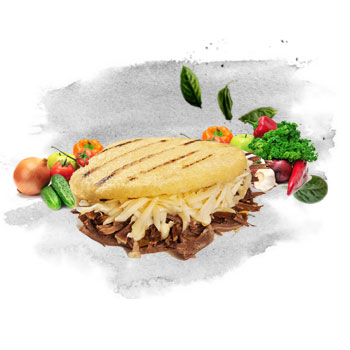
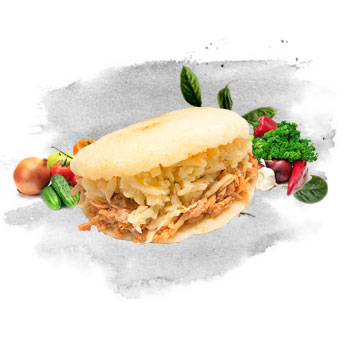
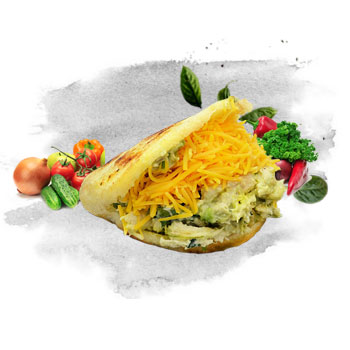
ORIGINAL Grandmas’s Arepas RECIPE
Grandma’s Arepas: The Indigenous Gift of Corn
Long before the Spanish arrived, Indigenous groups across the Americas cultivated corn, treating it as a sacred gift from the gods.
-
The History: Originally, native tribes ground corn by hand and cooked the flat cakes on clay plates.
-
The Dish: A versatile, round corn cake with a crispy exterior and soft center. Across Colombia and Venezuela, there are over 40 distinct variations using white or yellow corn.
-
How It’s Eaten: Evolving from ancient staples to popular modern street food, arepas can be eaten plain or sliced open and stuffed with an endless variety of meats, cheeses, and sauces.
FROM MIMI's RECIPE SECRET BOOK
Mimi’s Empanadas: A Journey Across Continents
Empanadas have a rich, transcontinental history, but Mimi’s recipe brings a uniquely warm and crispy Latin twist.
-
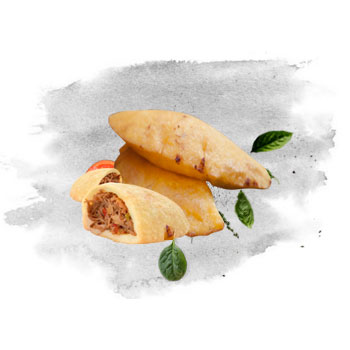
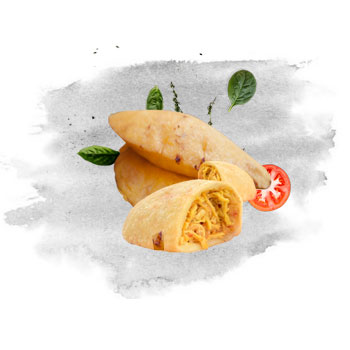
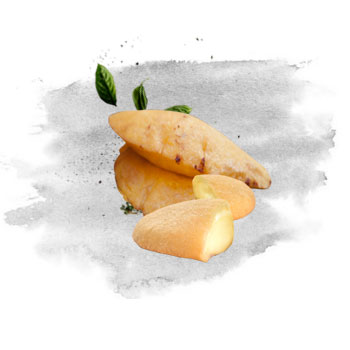
The History: Savory stuffed pastries originated in Galicia (Spain) and Portugal during the Moorish invasions of Medieval Iberia. They even appeared in a Catalan cookbook as early as 1520!
-
The Dish: While European versions traditionally use wheat, Latin American empanadas often use sweet, golden corn dough.
-
How It’s Eaten: Fried to warm, crispy perfection, they are packed with rich meats or cheeses and hold centuries of culinary evolution in every bite.
PABELLON CRIOLLO
CHEF KYKE MENDOZA's FAMILY SIGNATURE DISH
Pabellon Criollo : The National Dish of Venezuela
Pabellón Criollo: The National Dish of Unity
(Chef Kyke Mendoza’s Family Signature Dish) If one meal could tell the story of Venezuela, it is Pabellón Criollo. Emerging in the 19th century during a time of great social change, it beautifully symbolizes the country’s mixed heritage.
-
White Rice: Represents the European culinary influence.
-
Black Beans (Caraotas): Symbolizes West African roots, slow-cooked to a creamy paste with a flavorful tomato-and-garlic sofrito.
-
Shredded Beef & Plantains: Reflects Indigenous and Mestizo heritage, simmering the meat with peppers and onions until tender.
CACHAPAS
CHEF KYKE MENDOZA SIGNATURE DISH
Cachapas: The Sweet Corn Tradition
Cachapas are a direct, delicious nod to Venezuela’s deep Indigenous roots.
-
The History: Historically, native tribes hand-ground fresh, sweet corn kernels into a thick batter and cooked them over open fires on flat clay plates.
-
The Dish: A rustic, cheesy, and savory-sweet corn pancake.
-
How It’s Eaten: Today, they are popular festival and street foods, traditionally folded over a thick slab of melting white cheese, or topped with avocado, chicken, and beef.
PATACONES
A VENEZUELAN TWIST ON PLANTAINS
Patacones: An Afro-Caribbean Plantain Twist
Patacones: An Afro-Caribbean Plantain Twist
Plantains are deeply rooted in the West African traditions brought to the Caribbean.
-
The History: The name “patacón” is steeped in history. It may come from an early 18th-century Great Colombian currency, or trace all the way back to the Arabic word batakká used in Medieval trade.
-
The Dish: Made from unripe, starchy green plantains that are fried, flattened, and fried again.
-
How It’s Eaten: In parts of Venezuela, massive, flattened plantains are used as crispy “buns” to create towering, flavor-packed sandwiches.
TEQUENOS
Tequeños: The Soul of the Venezuelan Party
Tequeños: The Soul of the Venezuelan Party
No gathering in Venezuela is complete without these legendary cheese sticks!
-
The History: Named in honor of Los Teques, a cool mountainous city. Local cooks invented them as a satisfying snack for wealthy families vacationing from the capital.
-
The Dish: Salty, semi-hard white cheese wrapped in a spiral of pastry dough and fried until golden.
-
Fun Fact: They became so beloved that a simple sprinkle of sugar is sometimes added to enhance the sweet-and-salty flavor profile.
TOSTONES
Tostones: The Caribbean Crunch
Tostones: The Caribbean Crunch
Tostones are a staple side dish across Latin America and the Caribbean islands.
-
The History: Brought over through West African culinary influences, the green plantain was quickly adapted into this twice-fried favorite.
-
The Dish: A green plantain is sliced into thick rounds, fried once, smashed flat with a special wooden tool called a tostonera, and fried a second time until ultra-crispy.
-
How It’s Eaten: Served as a savory snack or side, they are best enjoyed topped with garlic, fresh cheese, and cilantro.
VENEZUELAN SALAD KIT AND BOWLS
Tropical Salads: Whimsical & Colorful
Tropical Salads: Whimsical & Colorful
Venezuela’s equatorial climate provides an incredible abundance of fresh produce, making vegetables essential to the daily diet.
-
The History: While the concept of a salad traces back to Ancient Rome (where raw vegetables were dressed simply with oil and salt—hence the root word sal), Venezuela made it its own.
-
The Dish: Venezuelan salads are a whimsical, vibrant affair. They marry traditional European dressing techniques (a nod to Spanish and Italian immigrants) with bright, tropical flavors and textures.
Venezuelan side dishes
Venezuelan Side Dishes: Stealing the Show
Venezuelan Side Dishes: Stealing the Show
Whether enjoyed alone or as a combo, Venezuelan sides are a flavorful testament to the country’s colonial past and Indigenous roots.
-
The Blend: They showcase the perfect marriage of Spanish, Portuguese, Italian, and French techniques with Native American and West African ingredients.
-
The Staples: You will always find corn, beans, and plantains holding the spotlight.
-
Coastal Additions: Alongside fresh seafood ceviche, coastal sides and desserts prominently feature fresh coconut, like dulce de lechoza con coco (papaya and coconut dessert).
Venezuelan Tropical Juices
Tropical Juices: The Bounty of Nature
Tropical Juices: The Bounty of Nature
Venezuela’s sun-drenched, fertile landscapes provide the perfect climate for growing incredible fruit. In fact, Venezuelans generally prefer fresh, healthy fruit juices over sodas!
-
The Staples: Smoothies and juices heavily feature sweet strawberries, juicy pineapples, and various types of mangoes (Kent, Ataulfo, and Tommy Atkins).
-
The Exotic Superfruits: The nation boasts an array of exotic, health-boosting fruits like guanábana (soursop, known for its antioxidants), parchita (passion fruit), lechoza (papaya), tamarind, and guayaba (guava).